
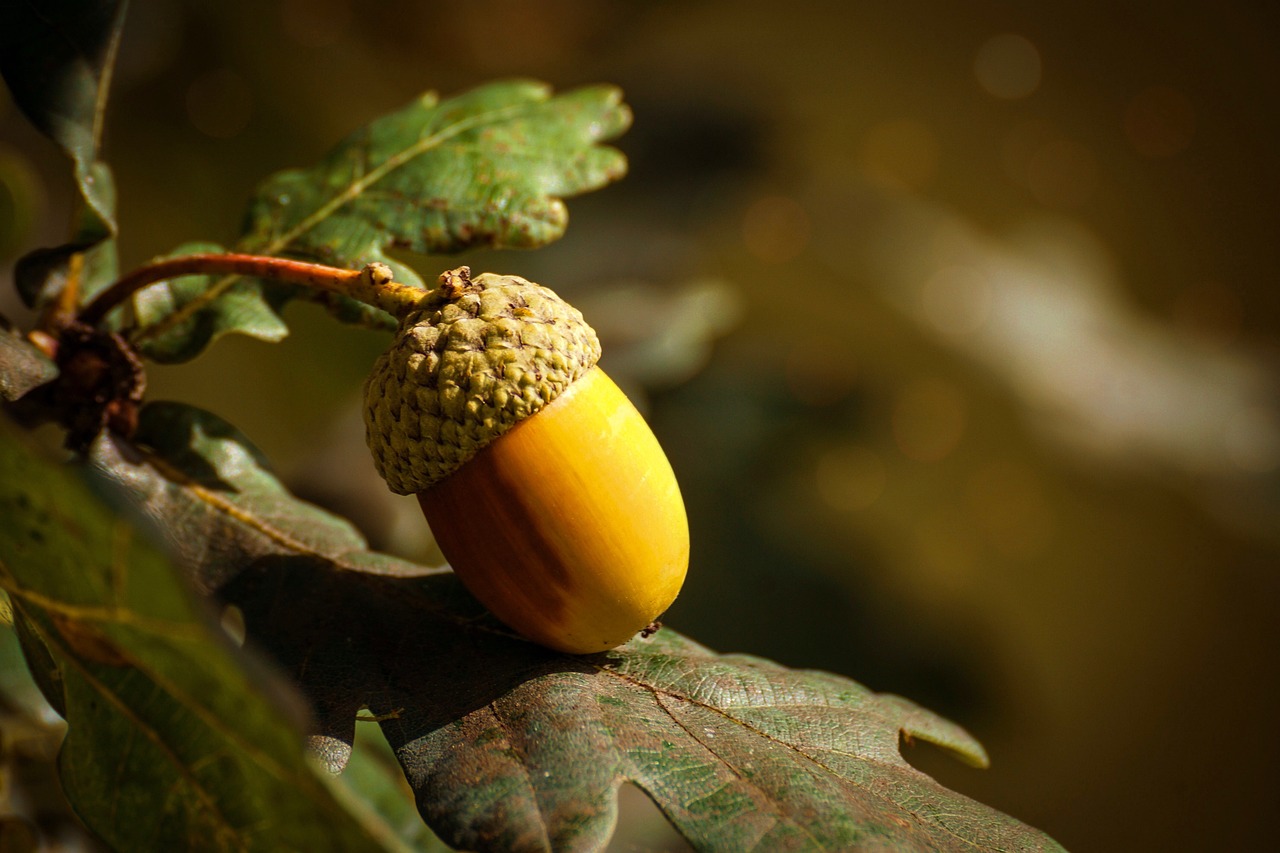
 I dreamt of an acorn, a solitary oak seed in its tough shell. You know what they look like, just a capsule with a crusty gray cap on a slick brown hull.
In my dream, an acorn appeared prominently against a background of blackness that I took to be soil. The acorn was solitary, suspended, fixed below a horizon of dirt and creamy-blue sky. There was nothing else.
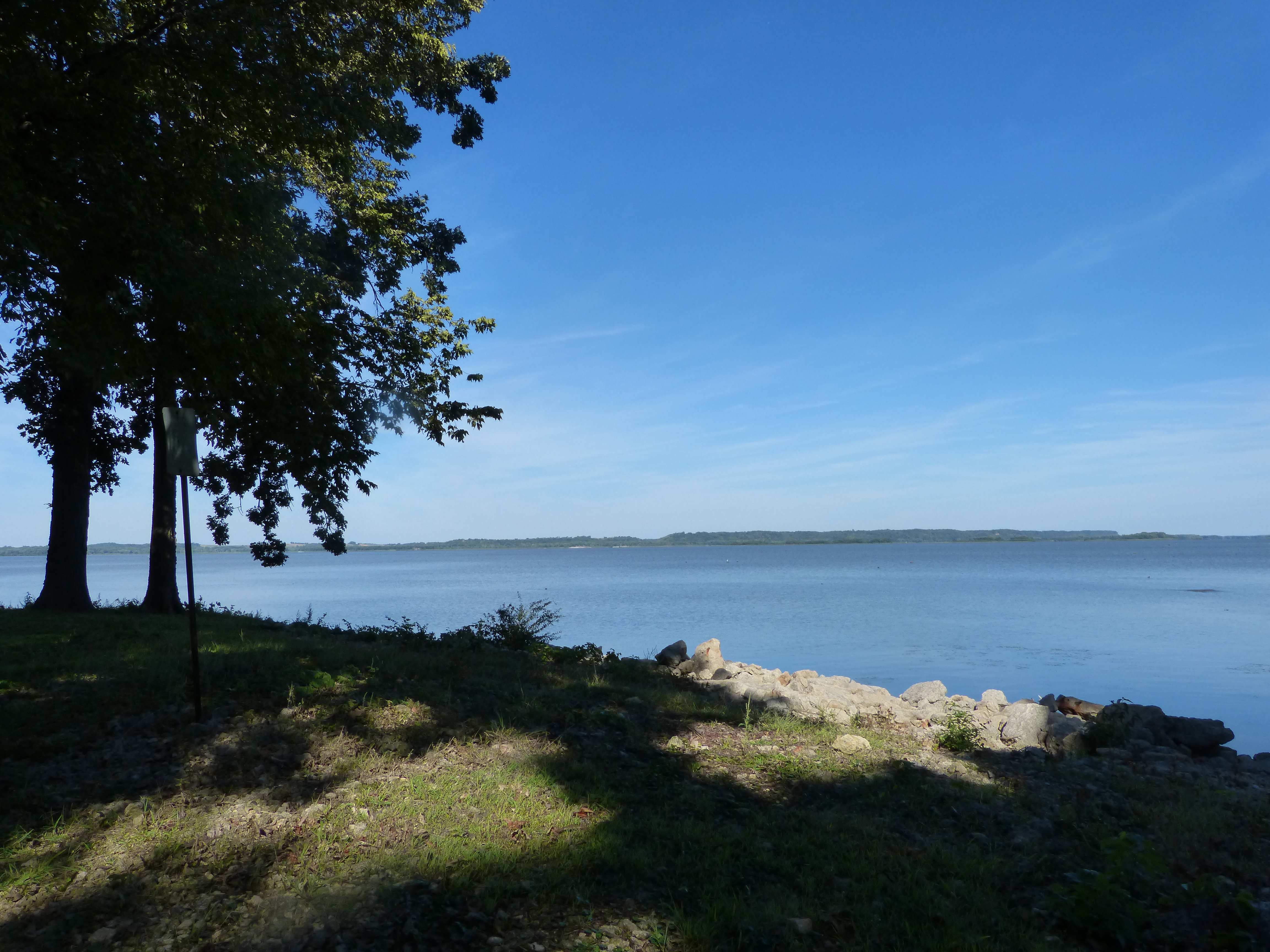
This was the lone image that I was left with after a five-day retreat last Fall at the Joseph and Mary Retreat House located on the grounds of Mundelein Seminary. The seminary is set in a forest that surrounds a large lake. Oak trees are everywhere –tall, grand trees whose branches drop acorns in the Fall to the delight of the fox squirrels who gather them, bury them, and find them again in the coming winter.
It seems to me on my 83rd birthday that this dream represents a new life, a promise of a new planting of me in fresh ground. This was not a nightmare. It was –and still is -an insight, even a grace. Maybe, you have had a similar experience, a vivid promise of a new hope for you.
An acorn is dressed simply: a grayish hat covers the top and the bottom is a hard-shell varnished deep brown. Inside, though, there is an embryonic root and two latent leaves. If an acorn germinates, the roots will go down and the leaves (cotyledons) will break out of the ground, as a seedling.
When I die, I will be placed in the ground with the hope of resurrection. New life will come out of the soil, an infant me. It’s a drama that an acorn has taught me.
I brought home from Mundelein a single acorn to remind me of who I am. I hold it in my hand now. It solidifies my hope.